|
 |
Four Kinds of Fear
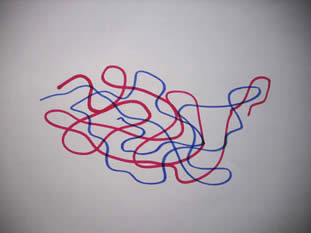
Two tangled threads
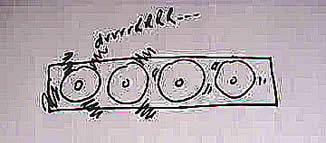
First, there is the true self’s fear, when it meets with insensitivity and/or ego in others (and within ourselves) – of being betrayed, abandoned, lost - encased in ego ('for its own protection'), cut off from the world, and from our conscious awareness. Such real fears may be laid down in our bodies, from infancy or childhood, and may remain unconscious for years, or for the rest of our lives. (Susan Jeffers's wise book Feel the Fear and Do It Anyway drew attention to the need to feel, and acknowledge, our own fear - as well as the need to not let it bully us.) Secondly, there is ego’s fear – often ratcheted up to panic - of being ‘outed’, unmasked, and rendered unnecessary (eliminated) by the truth. It can be hard to distinguish between these two kinds of fear. My true self's fear of being eclipsed by ego gets all tangled up with ego’s own strategic survivalism. My own sense of myself may have become merged with a self-image (unconscious, of course), supported by ego-prompted scripts. If we have learned to rely on ego to get by – to maintain a self-image, secure a significant role in a group, or in a deal-based relationship, it is a matter of discernment and persistence to keep these two threads disentangled. When my fears are aroused, I find I need to take time to attend to my feelings, and to reflect on the events that have sparked them off. The practice of inner listening helps me distinguish between the alarm bells in my body which warn me when something is ‘off’ or wrong . . .
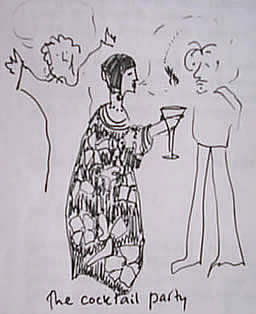
and the niggling mental speculation that ego quickly spins into scary fantasies – to hi-jack my feelings for its own mischievous agenda. Because of this parasitic activity of ego I try, when I become aware that fear is present, not to listen to what the fears are saying, because words are susceptible to ego manipulation. Egoland is made of words – scripts - falsehoods and fantasies – which people only accept, and peddle to others as real, because they are afraid of feeling their own fear. The real human feeling on which ego profiteers is fear. Our feelings themselves are wordless, far too subtle and multiple to be labelled, and they are in constant transformation. They inform us about what is really going on, in our interactions and in our psyches, and as soon as they have done their job, they vanish. They are our ever-present helpers; when we listen to them, we cannot be deceived. A third kind of fear can be aroused by excitement, which sounds at first like it would be a positive feeling. But excitement often swings round into dread. Many people in our current culture of accelerated activity and interaction go through life on an adrenaline high. They love the buzz, the sense of being somebody through being connected, in demand, busy.
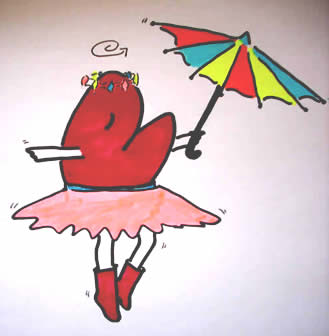
Facebook Fear This third kind of fear includes what I am calling here 'Facebook Fear' - I could call it 'life-as-performance anxiety'. Young (and also older) people are now constantly presenting themselves on social networks, and taking pictures of each other when they’re out together, to demonstrate how popular/ happy/ attractive they are. More and more, the kind of communication that used to be regarded as a cringe-worthy Christmas boasting ritual has become a daily activity for teenagers of all ages. (Spot the non-Facebook member!)
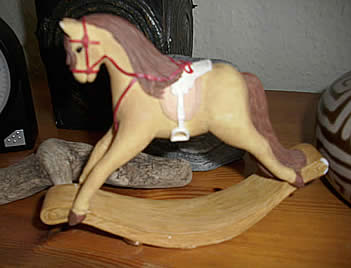
Now, in place of “Don’t you wish your children were as successful as ours?” people do daily updates to say: “Look at me!” “Look at us!” “Don’t you wish you were having this good a time?” Or more plaintively, "I'm here - I exist. Can you hear me?" Which can then morph into "Please confirm that I exist by responding to this." Life as performance is stressful, and communication as notice board is unrewarding, because these ways of doing things are not true to who we are. They fabricate anxiety-generating, ego-pleasing versions of who we are. More: such inauthentic approval-seeking arouses real fear in our true self, which accurately senses the danger of self-betrayal. The high we experience when we do something challenging (give a concert, take part in an athletic event) can be enjoyable and encouraging, but it can also be addictive. Adrenaline and fear are closely linked – likewise, exhilaration and anxiety. We can gain strength and confidence from stretching our limits successfully – but I feel that the performance high needs to be kept under firm control - ridden correctly and carefully. And we need to notice if we are starting to look for outside approval, and to depend, for our sense of ourselves, on our ability to impress others. At the risk of sounding like a grumpy granny (viz the hobby horse),
I would add that the over-stimulation of young children by TV, video and computer games, combined with ‘hyper’-making junk food, are bad for everyone’s health, both physical and psychological. Being unable to sit still, or to focus for more than a couple of seconds on any theme, thought or story is an exhausting way to live. It cuts us off from the nourishment of quiet pleasures, prevents us from developing peace of mind, and may exacerbate ('excite') any fears we have. Another - fourth - kind of fear, which can keep us locked into ego patterns and dysfunctional relationships, is the fear of incurring guilt, if we do what we need to do, to break free of our destructive habits and associations. Ego sets its own fear-based agenda head to head with our true self’s real - and correct - fear, which is aroused by our continuing self-exposure to mischief and insensitivity. Ego's vicious cycle can feel impossible to break out of. (see Tangled Threads, above; also CA & HM Oracle)
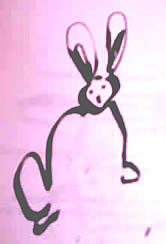
Many of us live in a battleground of warring fears. We need to learn to differentiate between the spurious, ‘rabble-rousing’ fears engendered by ego - fantasies of blame, victimhood, self-contempt and so on – and our underlying true self’s accurate and appropriate fear of not being heard, stood up for and protected. We are the only ones who can be true to our own feelings – particularly once we enter adulthood. We can remind ourselves, when beset by fears, not to be impressed by them – not to let them paralyse us, like a rabbit in the headlights.
This is easier said than done, but with practice, we can allow our fears room to breathe, let them be themselves, and transform into the next thing, once they have done their job of alerting us to ‘something wrong here’. We need to take care of our fears - not try to deny or suppress them, but realise they are just our own feelings, and acknowledge them as such.
Our fears are not threats (as ego would have us believe), either from outside or from within - on the contrary, they alert us to dangers we might not otherwise notice. However, it does require courage to refute ego's lies, accept our fears as what they are - helpful information - and embrace them. When we do this, our hearts become calm. We feel heard, and helped. We can treat ourselves with understanding and compassion, and without harshness. When we ask for help, we are helped. |
home | intro | fear | egoland | miscellaneous | the heartland | writing reflections | psyche | culture | on the way | sentences | wordplay |
|
updated 11/02/12 |
|